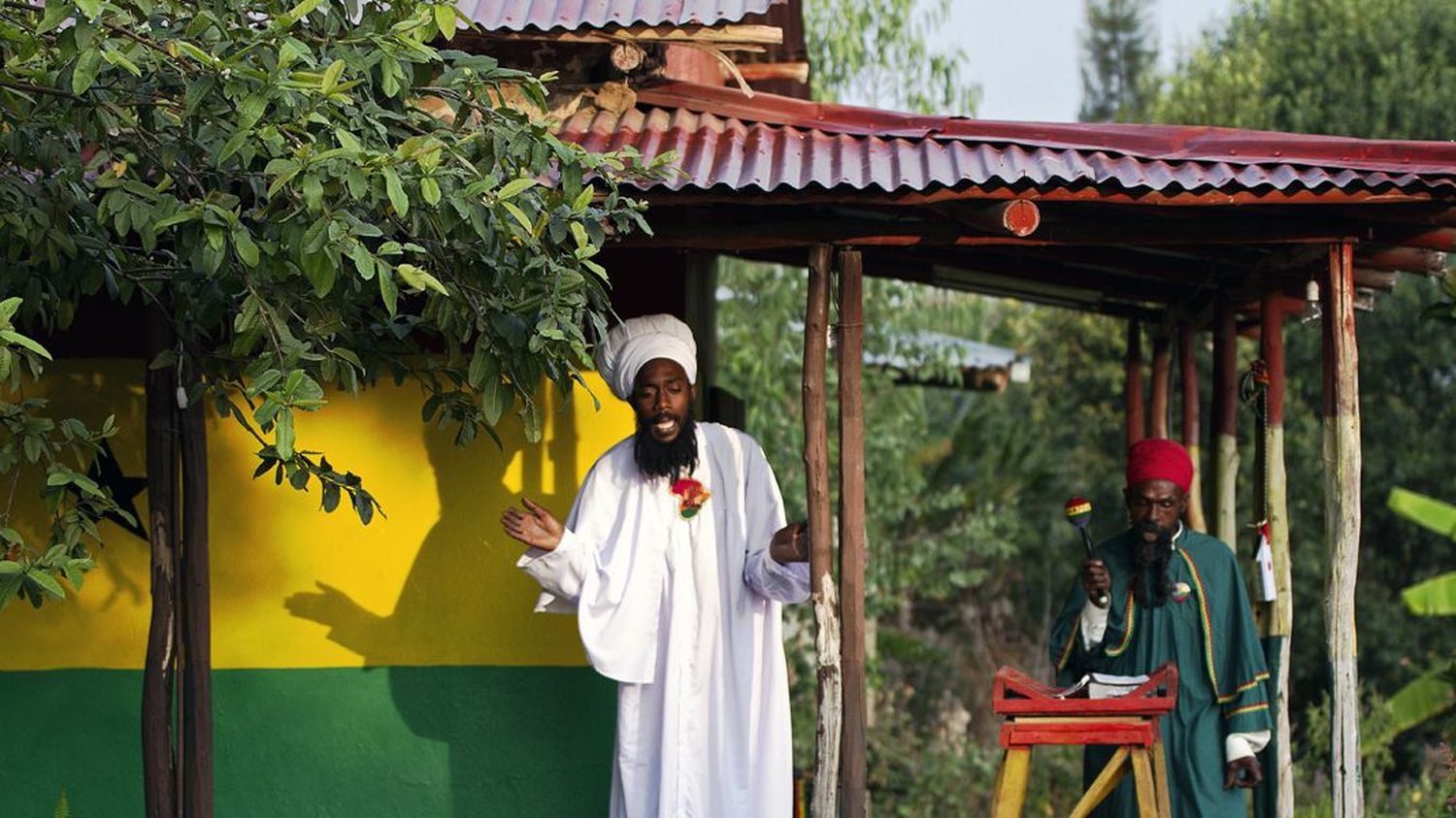
For Rastafarians, Ethiopia is considered the promised land and Emperor Haile Selassie I is revered as a messianic figure. This deep connection between Rastafari culture and Ethiopia has produced a wealth of practices and symbols. Notable examples are the Lion of Judah, the four-leaf clover, the flag of Ethiopia and the colours of the Rasta world.

This article highlights the influence of Ethiopia on the society and spirituality of Rastafarians.
Ethiopia is an ancient and proud nation that kept its independence in the face of European colonisation. The Ethiopian flag, with its red, yellow and green colours, is an important emblem representing African unity and resistance to oppression. Rastafarians believe that Ethiopia is the true “Zion” mentioned in the Bible, a holy place where they can find spiritual freedom.

Ethiopia gives a great deal to Rastafarians, but they give back just as much. Indeed, Rastafari culture has also had a significant influence on Ethiopian society. Rastafarians have helped promote African unity and pride, highlighting the richness of African history and culture.
They have also played a role in the development of social and educational projects in Ethiopia, helping to improve living conditions in some communities.
On the cultural and spiritual level:
They have taken an active part in preserving cultural traditions, notably music, dance and crafts. By emphasising the connection between Rastafari culture and Ethiopia, they have helped preserve the nation’s cultural identity and pass this knowledge on to future generations.

On the social level:
Through local initiatives and community projects, they have supported education, health and poverty reduction. Their commitment has led to the creation of schools, health centres and vocational training programmes, offering opportunities to improve quality of life in some disadvantaged regions of the country.
On the environmental level:
Protecting the environment is a major concern for many Rastafarians in Ethiopia. Inspired by their spiritual connection with nature, they have actively taken part in environmental conservation projects, including reforestation, water resource preservation and raising awareness of the importance of sustainability. Their commitment to preserving nature helps in the fight against the environmental challenges Ethiopia faces.
Not to mention the promotion of historic sites, such as the monuments of Gondar, which have helped promote tourism in the country. The tourism generated by this promotion has fostered local economic development, creating job opportunities and stimulating related industries.

The presence of Rastas in Ethiopia continues today to play an important role in Africa’s influence on the world. This deep connection between Ethiopia and these people is a real asset for the continent.


