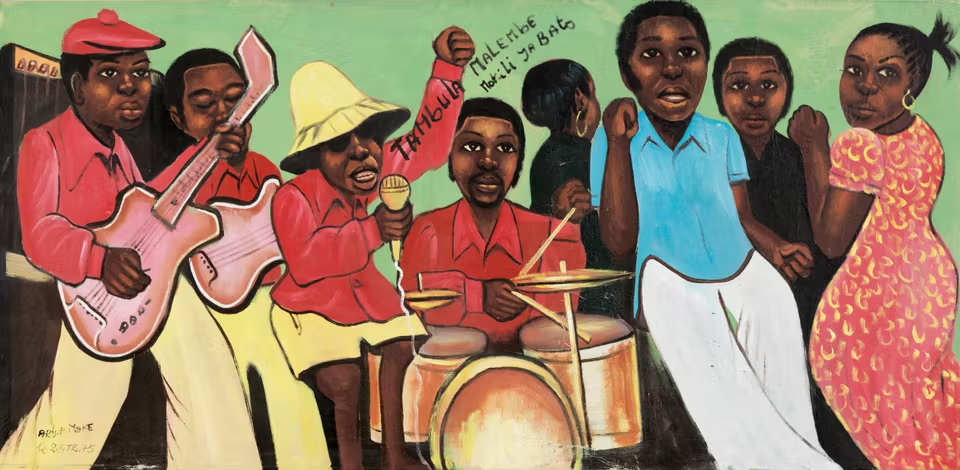
From Léopoldville to Kinshasa: the odyssey of Congolese rumba

In Léopoldville, around 1900, the colonisers occupy Bantu lands. Cities breathe to the rhythm of suffering and exploitation. On the river, cargo ships can be seen carrying goods from one end of the globe to the other, destined for the inhabitants on the other side of the sea.
The year 1900 echoes like a breath from another time: that of men deported to the Americas, taking with them their rites, beliefs and culture. The Americas then became a land of cultural and ethnic blending where Hispanic, American and African traditions mixed. From this encounter was born a musical current that would durably mark its era: Afro-Cuban music.
At the beginning of the 20th century, this music gradually found its African origins again. With the appearance of the 78 rpm record in the 1920s, passed on notably to the Kru people by Cuban sailors’ cargo ships calling at West Africa, Bantu populations discovered Afro-Cuban sounds.

In West Africa, the impact remained limited at first, as society was structured in castes in which only griots were allowed to practise music. However, around the mining sites, many guitarists emerged and reproduced the sounds heard on these new recordings. In the 1930s, Congolese music thus began to take shape and reveal its first major figures.
Zacharie Elenga, nicknamed “Jimmy the Hawaiian” for his mastery of the Hawaiian guitar, was among the pioneers of Congolese music. Alongside Emmanuel Tshilumba wa Baloji and Paul Ebengo, he was one of the first craftsmen of this music destined for a great future.
In this awakening to musical modernity, a group from São Salvador, in Angola, produced music strongly inspired by Martinican and Afro-Cuban rhythms. It is in this context that Antoine Kolosoy emerged, better known as Wendo Kolosoy (or Wendo Soy), one of the main figures of Congolese rumba. His music blends Martinican influences, Bantu rhythms of the Zebola community and Cuban sounds. Originally from Kisangani, he enjoyed immense success with the song Marie-Louise.

With Paul Kamba, founder in 1942 of the orchestra Victoria Brazzaville, he became one of the great forerunners of Congolese rumba. In 1948, Wendo founded Victoria Kinshasa, helping to spread this new musical style across the continent. Paul Mwanga would continue this Afro-Cuban influence with his group Affeinta Jazz.
1950-1970: the golden age of Congolese rumba
In the 1950s, Joseph Kabasele (Grand Kallé) and the guitarist Dr Nico became major figures thanks to an innovative style that propelled Congolese music onto the international stage. With songs like Mama È, the use of electric guitars transformed classic rumba into a more dynamic and rousing music.
Three major musical schools then structured the evolution of rumba.
The first school: African Jazz
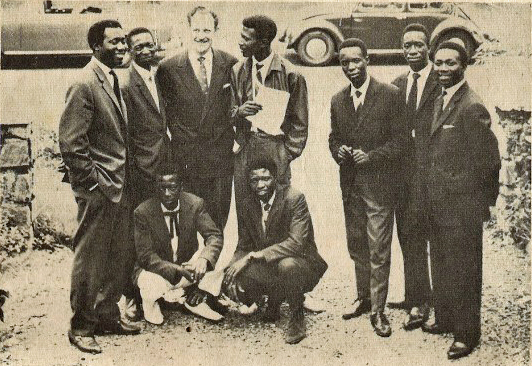
The first school asserted itself with the emergence of African Jazz. At the dawn of African independence, this group popularised rumba across the continent. In 1960, Indépendance Cha-Cha became the anthem of African independences and gave an international dimension to the group led by Grand Kallé, accompanied notably by Tabu Ley Rochereau.
In 1964, Tabu Ley founded Afrisa International and led an exceptional career with landmark songs such as Abidjan and Pitié. He is also the father of the French rapper Youssoupha.

At the same time, the legendary guitarist Franco Luambo Makiadi, author of more than a thousand compositions, played a decisive role. In this artistic rivalry with Tabu Ley, rumba odemba – or soukous – emerged, characterised by the importance of the sebene, a rhythmic instrumental passage that would influence many African musics, such as makossa, and even Latin American styles such as African champeta.
This period also saw major artists shine, such as Michelino Mavatiku Visi and Sam Mangwana. Trained alongside figures such as Grand Kallé and Dr Nico, Michelino became one of the most respected guitarists of his generation.
In parallel, groups such as the Bantous de la Capitale, Antoine Mundanda and Papa Courant preserved a more folkloric style incorporating traditional instruments such as the malimba.

The second school: OK Jazz and its heirs
The second school was marked by the creation, in 1956, of OK Jazz by Franco Luambo Makiadi and Jean Serge Essous. Bands such as African Fiesta and Vox Africa also took part in the musical evolution of the time. Together, they enriched Congolese rumba with new rhythmic experiments, while the Afro-Cuban influence continued to transform.
In this tense political context, some artists took a stand. Franklin Boukaka, committed in his songs against political conflicts, was assassinated in 1972 on the orders of the ruling power.
From the 1970s to the 1990s: the birth of soukous and ndombolo
From the 1970s, a new era opened. The music became more Africanised with the greater integration of percussion and the gradual disappearance of certain wind instruments, notably brass. This was the emergence of soukous, then of ndombolo in the 1980s-1990s.

The song Kamikaze by Youlou Mabiala marks this period of transition. New groups appeared, notably Zaïko Langa Langa, in which Papa Wemba would take part, an essential band for understanding the rise of ndombolo. This style, born from the fusion of the previous currents, would later influence coupé-décalé in Côte d’Ivoire.
Artists such as Mpongo Love and Palata also took part in this musical evolution.
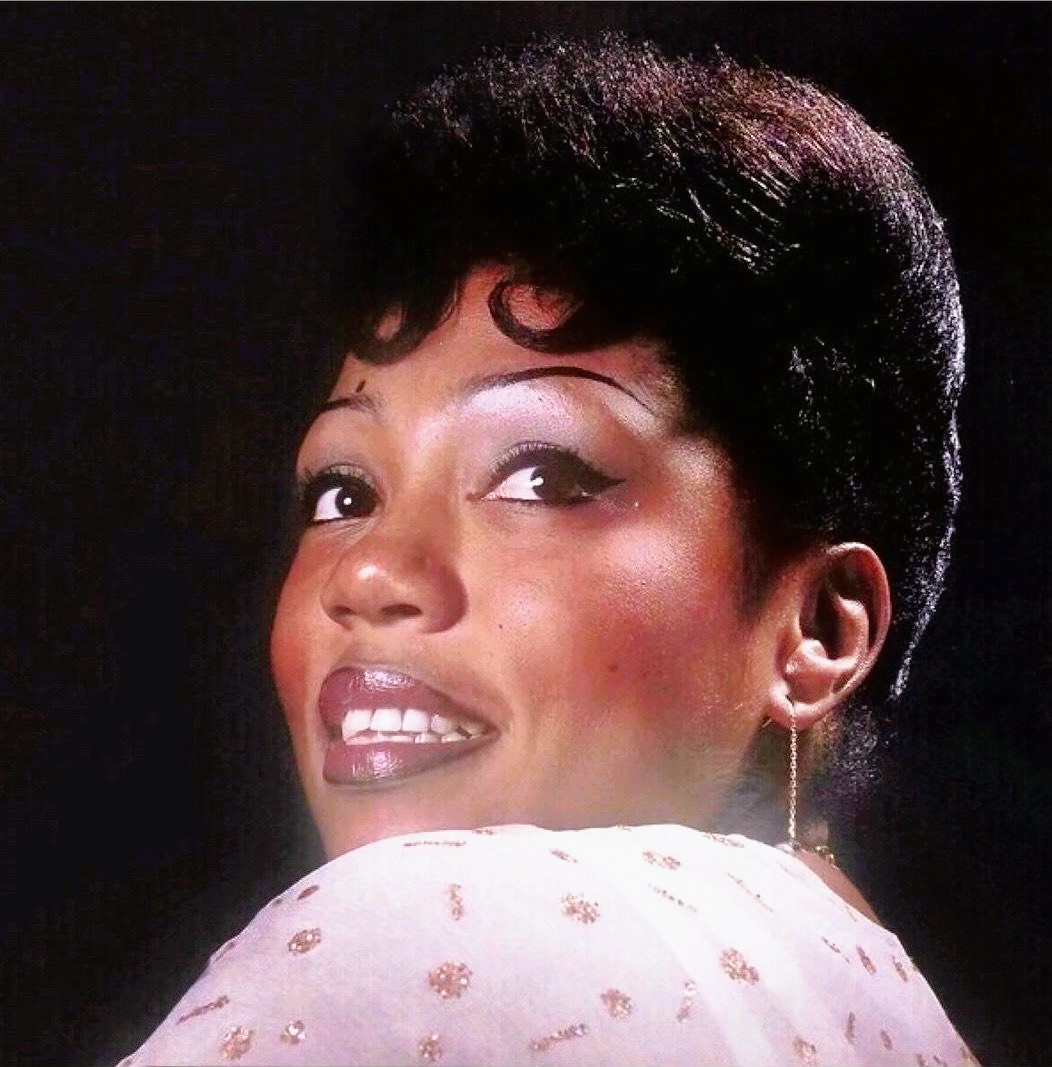
Despite a rarer female presence, some artists left a lasting mark on Congolese music: Mbilia Bel, Tshala Muana, Abeti Masikini and Barbara Kanam are among the great female voices of the genre.
Sources:
Afrisson
The history of Congolese rumba, TV5 Monde
Véronique Mortaigne, “La rumba, bande-originale des mutations de la société congolaise”, Le Monde, 26 September 2015