The influence of Haile Selassie
Zion culture in Ethiopia is closely linked to the figure of Haile Selassie, the former Ethiopian emperor who ruled the country from 1930 to 1974. For Rastafarians, Haile Selassie is considered the reincarnation of Jesus Christ and the king of kings of Ethiopia.

Haile Selassie was a defender of Ethiopian culture and religion, and worked to modernise the country while preserving its traditions and culture. He strongly encouraged the practice of the Ethiopian Orthodox Christian religion.
For Rastafarians, Haile Selassie embodies the values of Zion culture, which are based on pride, dignity and resilience. Rastafarians regard Haile Selassie as a spiritual and political leader who defended the rights of Africans and worked for the unity and solidarity of the continent.
Zion culture is also linked to wider social and political movements in Africa and around the world. Rastafarians have been involved in struggles for racial equality and the liberation of African peoples, and Zion culture has become a symbol of resistance and of the fight against oppression.
The Ethiopian Rasta movement
Rastafarians in Ethiopia are an important and dynamic community, with a history and culture deeply rooted in the country. For Rastafarians, Ethiopia is a holy land, regarded as the cradle of African civilisation and as the place where Haile Selassie reigned as king of kings.
Incidentally, “Rastafari” is said to mean “the Black Christ”. They therefore believe in a Black Messiah. The Rastafari community in Ethiopia is mainly concentrated in Shashemene, a town in the south of the country. The community was founded in the 1960s, when Haile Selassie gave land to Jamaican Rastafarians so that they could settle in Ethiopia. Since then, the community has grown and attracted Rastafarians from around the world.

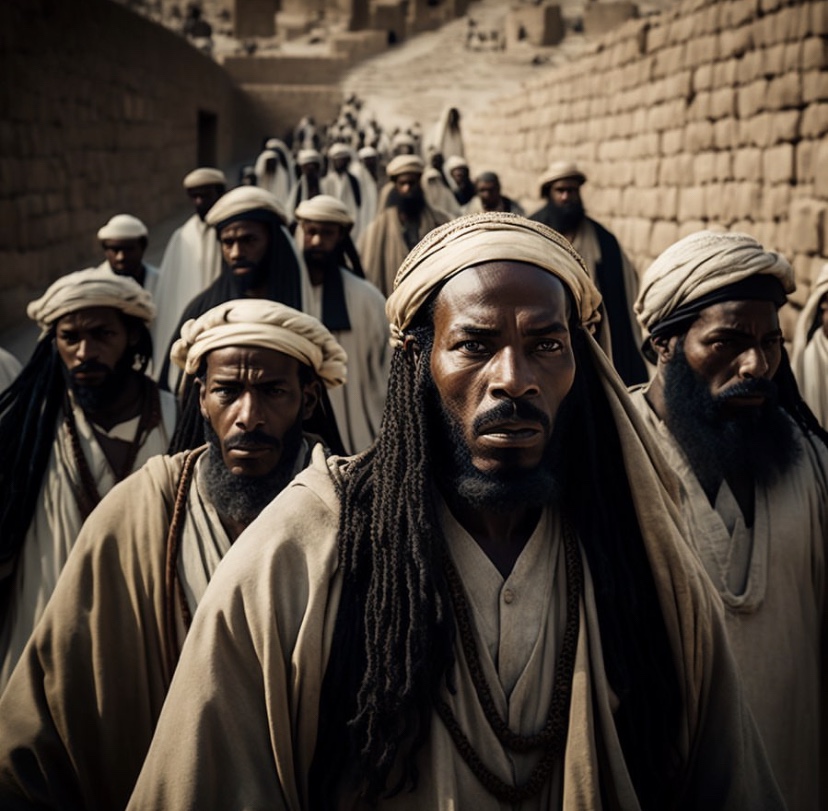
Rastafari culture in Ethiopia is characterised by music and dance, with songs and dances inspired by the Psalms of the Bible and African traditions. Traditional clothing, hairstyles and jewellery are also important in Rastafari culture, and are often decorated with religious symbols.
“A Rasta is certainly not limited to cannabis… it is a whole way of life that broadens consciousness, that makes you more sensitive to major environmental questions and everything that touches humanity in general. The first thing we do in the morning is pray, we pray to God, Mariam… we read the Bible, all our days are set to the rhythm of prayer.”
The locs represent the lion’s mane. Rastas feel attached to Christ, and say they are the lions of the tribe of Judah. It is therefore hard to imagine a Rasta without locs, just as it is hard to imagine a lion without its mane.
“We have rejoined our savannah in Africa, we behave like Lions in their savannahs. No more zoos, no more captivity, it is emancipation, we have broken the chains of mental slavery. Shashemene is the gateway back for the descendants of slaves, after 400 years of exile, here we are, back on the land of our ancestors.”


